

60 Investment Banking Agents for Claude, Deal to Close
Not prompts. 60 investment banking agents for Claude that source deals, build institutional-grade models, market the transaction, and manage execution to close, so deal work stops living in scattered files and starts running itself.
What these investment banking agents are
A full investment banking function, agentized. These are 60 investment banking agents for Claude, not one-off prompts. Together they run an entire deal flow end to end: source deals, build institutional-grade models, market the transaction, coordinate diligence, structure and negotiate terms, and manage execution from origination to close.
Each agent is a small, uploadable workflow that teaches Claude to perform one high-value investment banking task with a repeatable, named method. Run one on its own, run a group for a deal phase, or chain the full set so the work flows from first screen to signed close without living in a pile of files. They pair naturally with our Claude skills for investment banking and our institutional-grade Claude skills for finance.
Mechanically, each agent is one folder with a SKILL.md file, grouped by function inside the zip. Install just the ones you need, or load the full set into a Claude Project.
Download all 60 agents
One zip, one folder per agent. Free, no signup.
The 60 Investment Banking Agents You Get
The set is grouped into eight functions. They run in the order a real deal team does, research the market first, govern and monitor last, but every agent is also useful on its own.
One deal team, eight agent functions
Group 1 · 3 agents
Market and Research Agents
Scan markets, read industries, and build deep company intelligence before a deal even starts, so every conversation opens from a fact base instead of a guess.
Market Intelligence
Use when: You need a live read on deal drivers and capital flows in a sector
Output: A market intelligence brief with catalysts and implications
Industry Analysis
Use when: You need to judge how attractive and contested an industry is
Output: An industry structure read with attractiveness and risks
Company Research
Use when: You need a fast, deep baseline on a target or client
Output: A company profile of financials, drivers, and positioning
Group 2 · 8 agents
Valuation and Modeling Agents
Build institutional-grade valuation models, benchmark the company, and stress-test every assumption, from the operating model to the full valuation range.
Financial Modeling
Use when: You need an integrated model of the business
Output: A three-statement model with drivers and checks
Valuation Analysis
Use when: You need one defensible valuation range across methods
Output: A football-field valuation range with method drivers
DCF Modeling
Use when: You need an intrinsic value based on cash flows
Output: A DCF with WACC, terminal value, and sensitivities
Comparable Analysis
Use when: You need a market read from trading peers
Output: A trading comps set with multiples and a benchmark
Precedent Transactions
Use when: You need what buyers actually paid in past deals
Output: A precedent deal set with paid multiples and premia
LBO Modeling
Use when: You need to test a sponsor buyout and its returns
Output: An LBO model with returns, leverage, and a value bridge
Fairness Opinion
Use when: A board needs a documented basis for the price
Output: A fairness analysis with the range under each method
Sum-of-the-Parts Valuation
Use when: One group multiple hides where the value sits
Output: A segment-by-segment valuation bridged to equity
Group 3 · 12 agents
M&A Execution Agents
Prepare every document and workflow needed to launch and market a transaction professionally, from the blind teaser to the buyer list and first outreach, then work the mechanics that actually close it, from synergies and earnouts to escrow and the working capital peg.
Merger Analysis
Use when: You need to test whether a combination creates value
Output: An accretion and dilution read with pro-forma effects
Due Diligence
Use when: You must structure and run a diligence process
Output: A diligence request list and findings tracker
CIM / Pitchbook
Use when: You need the full marketing book for a sell-side process
Output: A CIM outline with investment highlights and financials
Teaser / One Pager
Use when: You need to spark buyer interest without revealing identity
Output: A blind teaser with the equity story and no company name
Buyer Targeting
Use when: You need the right strategic and financial buyers
Output: A tiered buyer list with fit rationale
Outreach Email
Use when: You need to reach buyers or investors cleanly
Output: An outreach sequence keyed to buyer tiers
Synergy Quantification
Use when: You must size the synergies behind a premium
Output: Phased cost and revenue synergies at present value
Purchase Price Allocation
Use when: You need the reported earnings effect of the price paid
Output: An allocation across intangibles and goodwill with amortization drag
Earnout Structuring
Use when: A price disagreement needs contingent consideration to close
Output: An earnout with metric, period, cap, and governance
Working Capital Adjustment
Use when: The closing adjustment moves real money
Output: A normalised working capital peg and completion mechanism
Escrow and Indemnity
Use when: Post-close risk must be allocated in the agreement
Output: Escrow and indemnity sizing with caps, baskets, and survival
Carve-Out Analysis
Use when: A business is being sold out of a parent
Output: Standalone carve-out EBITDA with separation economics
Group 4 · 9 agents
Deal Management Agents
Keep every stakeholder aligned while managing financing, documentation, and the flow of information, from the NDA log to the data room and the financing plan, and clear the process hurdles around it, from antitrust and cross-border approvals to the auction process letter.
NDA Tracking
Use when: Multiple parties are signing and accessing information
Output: An NDA status log with access and expiry tracking
Data Room
Use when: You must organize diligence materials for buyers
Output: A data room index and access-tiering plan
Management Deck
Use when: Management must present the equity story to buyers
Output: A management presentation outline and talk track
Capital Structure
Use when: You need to read or reshape the mix of debt and equity
Output: A capital structure view with leverage and cost of capital
Financing Strategy
Use when: A deal needs a plan for how it gets funded
Output: A financing plan across sources, sizing, and sequence
Cross-Border Deal Considerations
Use when: A transaction has to run across jurisdictions
Output: A cross-border read on currency, withholding, and approvals
Regulatory and Antitrust Review
Use when: You need to know whether a deal clears and by when
Output: An antitrust assessment with filings, remedies, and timing
Sell-Side Process Letter
Use when: An auction round needs bids on a comparable basis
Output: A process letter with bid instructions and deadlines
Deal Pipeline Tracker
Use when: Origination must forecast, not just list names
Output: A pipeline funnel with stage criteria and conversion
Group 5 · 10 agents
Capital Raising Agents
Identify investors, structure financing, coordinate outreach, and support fundraising from the first conversation to the final allocation, including the equity story, IPO readiness, and the rating case behind the debt.
Debt Sourcing
Use when: You need lenders and indicative debt terms
Output: A lender shortlist with indicative terms
Equity Sourcing
Use when: You need equity investors that fit the raise
Output: An equity investor shortlist with fit rationale
Term Sheet
Use when: You must draft or read the key economic terms
Output: A term sheet with key terms and their implications
Syndication
Use when: A financing is too large or risky for one provider
Output: A syndication plan with roles and allocations
Investor Targeting
Use when: You need to prioritize who to approach first
Output: A tiered investor target list with angles
Roadshow
Use when: You must run a structured investor roadshow
Output: A roadshow plan with schedule, message, and materials
IPO Readiness Assessment
Use when: A company may have to face public-company scrutiny
Output: An IPO readiness gap list with an honest timeline
Equity Story Development
Use when: You need a narrative that survives an investor meeting
Output: An equity story with a right to win and answered objections
Bridge and Acquisition Financing
Use when: A bid needs certainty of funds to sign
Output: A bridge sizing with its takeout path and fee drag
Rating Agency Presentation
Use when: You must defend or win a rating on a financing
Output: A rating agency case with adjusted metrics and Q&A
Group 6 · 6 agents
Negotiation and Structuring Agents
Prepare teams for negotiations, evaluate competing offers, and optimize the transaction outcome, from Q&A prep to the final deal structure.
Q&A Preparation
Use when: Management faces tough buyer or investor questions
Output: A Q&A prep pack with hard questions and answers
Objection Handling
Use when: Buyers push back on price, risk, or terms
Output: An objection playbook with responses and proof
Offer Evaluation
Use when: You must compare competing bids on more than price
Output: A bid comparison scoring price, certainty, and terms
Negotiation Support
Use when: You need a strategy going into the negotiation
Output: A negotiation plan with levers, BATNA, and ZOPA
Deal Structuring
Use when: The economics and mechanics of the deal are open
Output: A deal structure across consideration, earnouts, and protections
Management Incentive Plan
Use when: The post-close team needs equity without repricing returns
Output: A management equity pool with vesting, ratchet, and leaver terms
Group 7 · 4 agents
Project Management Agents
Orchestrate hundreds of moving pieces across advisors, buyers, sellers, lenders, and legal teams to keep every deal on track and on time.
Workstream Coordinator
Use when: Many workstreams and advisors must stay aligned
Output: A workstream map with owners and dependencies
Timeline & Milestones
Use when: A deal needs a credible schedule to the close
Output: A deal timeline with milestones and the critical path
Task Management
Use when: Open items are slipping across the team
Output: A prioritized task tracker with owners and due dates
Quality Control
Use when: Client-facing materials must be error-free
Output: A QC checklist and review log for deliverables
Group 8 · 8 agents
Governance and Monitoring Agents
Monitor execution, manage risk, generate reporting, and capture institutional knowledge, so every transaction improves the next one.
Compliance
Use when: A process must respect information and conflict rules
Output: A compliance checklist covering information walls and conflicts
Risk Assessment
Use when: A deal carries risks that need owners and responses
Output: A deal risk register with likelihood, impact, and mitigations
Scenario Analysis
Use when: The outcome depends on a few uncertain drivers
Output: A set of scenarios with value and decision implications
Sensitivity Analysis
Use when: You need to see what moves value the most
Output: Sensitivity ranges across the key value drivers
Reporting
Use when: Stakeholders need a clear, regular status view
Output: A deal status report with progress, risks, and next steps
Post-Deal Monitoring
Use when: The deal is closed and value must be tracked
Output: A post-close tracker of synergies, integration, and value
Knowledge Base
Use when: You want each deal to make the next one faster
Output: A structured knowledge capture of precedents and lessons
Covenant Package Analysis
Use when: You need to know what a credit agreement permits
Output: Covenant headroom with baskets tested under a downside case
Groups 1 and 2 research the market and value the business. Groups 3 and 4 run and manage the execution. Groups 5 and 6 raise the capital and negotiate the terms. Groups 7 and 8 keep the project on track and govern delivery to close.
Setup Guide
Download the agents pack
The zip contains all 60 agents, one folder per agent. Each agent is a single SKILL.md file. Unzip it anywhere. Keep the whole set, or pull out just the folders you need.
Create a Claude Project
Go to claude.ai, open the left sidebar, click Projects, then Create Project. Name it something like "Investment Banking Desk" so you can reuse it across mandates.
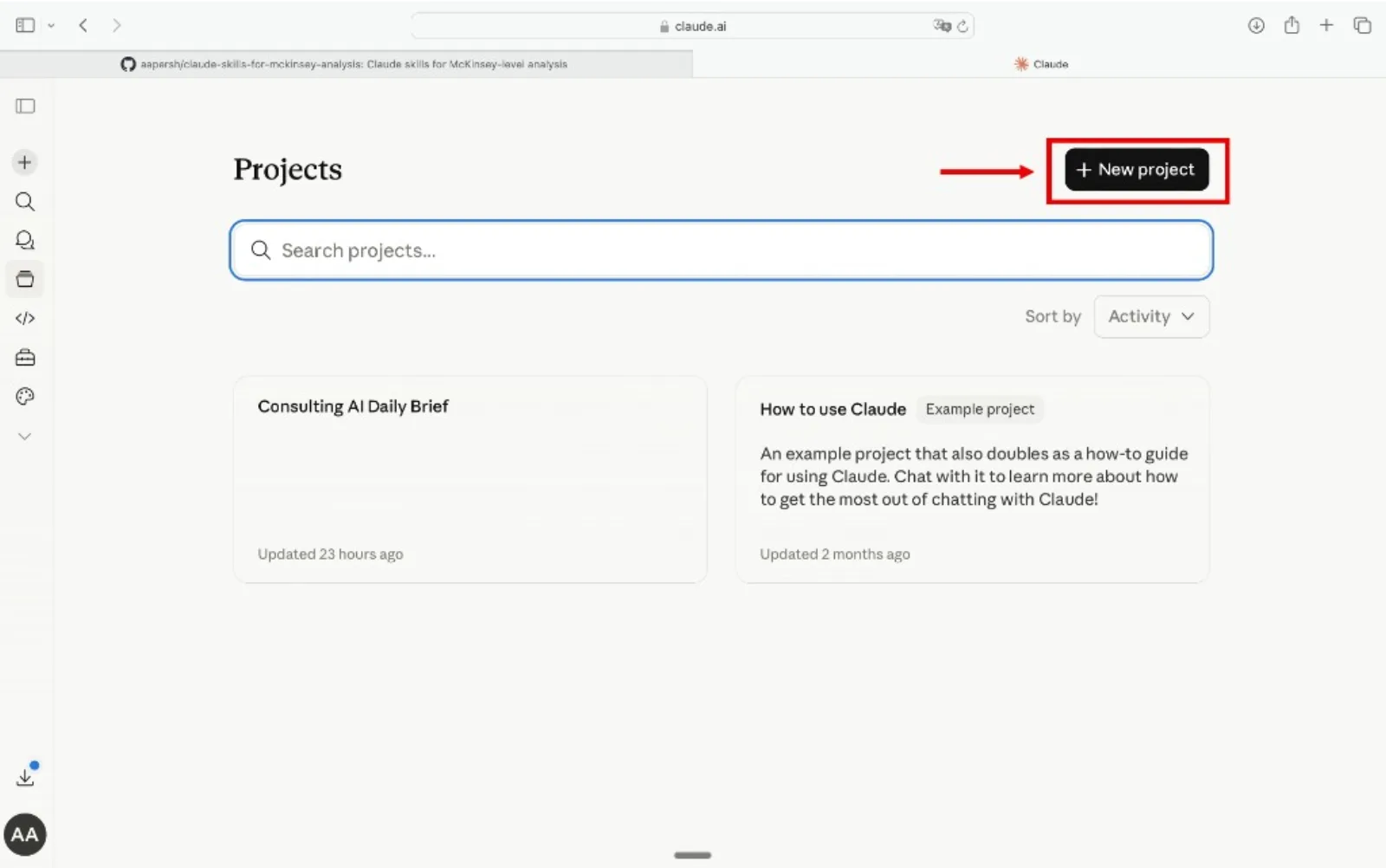
Add the agents as Project Knowledge
Inside your project, open Project Knowledge, click Add Content, and upload the .md files. Add as many as you want, one agent, an entire group, or all 60. Claude references them automatically in every conversation inside that project.
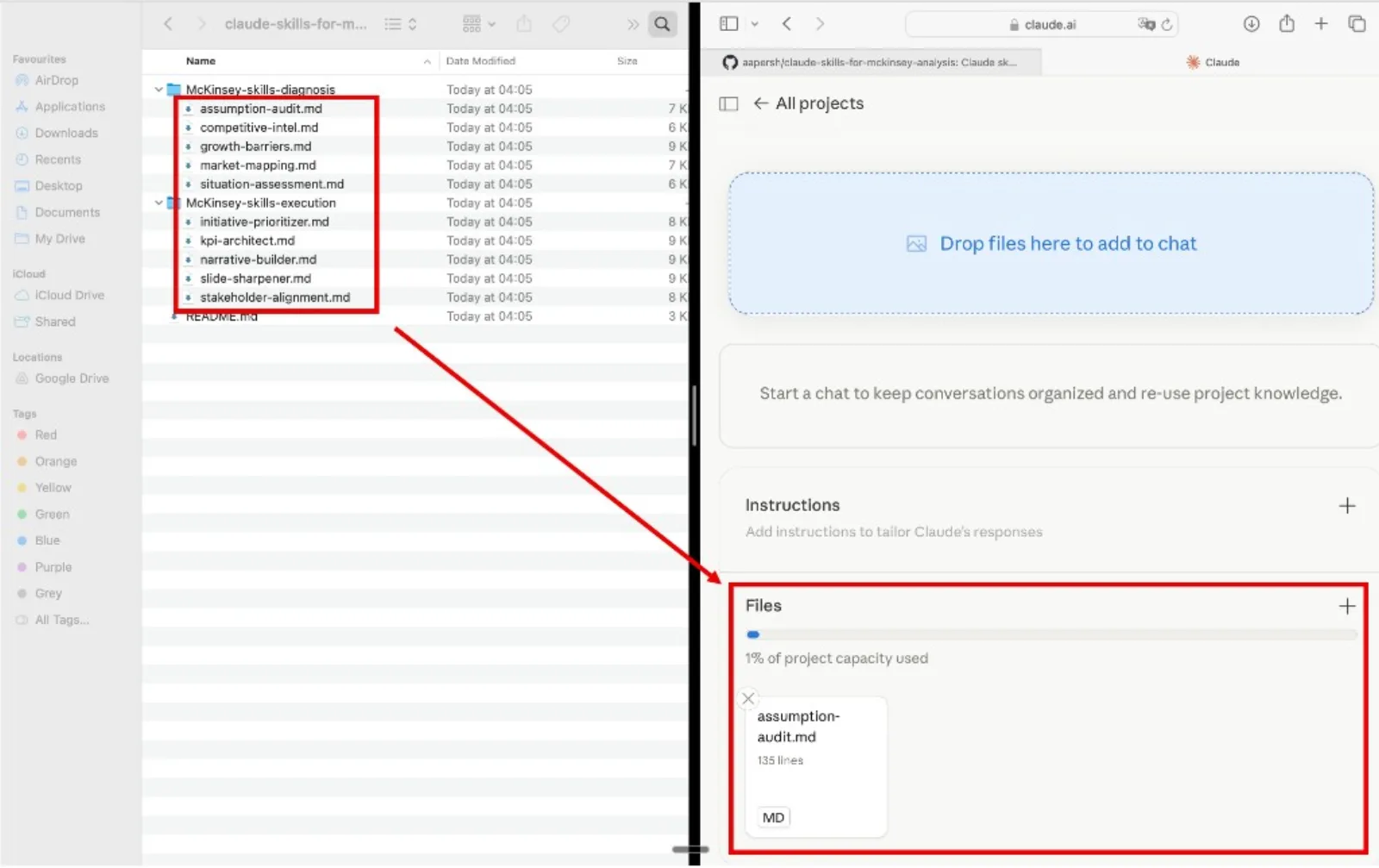
Run the agents
Open a new conversation inside the project, paste in your data, and name the agent you want Claude to run. Claude reads it from project knowledge and runs the analysis with the framework already loaded. Chain several to move from first screen to signed close in one sitting.
Tip
Refer to the agent by name in your prompt. Phrases like "Run the financial-modeling agent" or "Use the valuation-analysis agent" point Claude at the right framework instead of leaving it to guess.
Example prompts
- "Run the financial-modeling agent on this target, then the valuation-analysis agent for a football-field range."
- "Use the lbo-modeling agent to test a sponsor buyout and its returns."
- "Run the buyer-targeting agent, then the outreach-email agent, to launch the process."
- "Use the offer-evaluation agent to compare these three bids on more than price."
Where to start
Sixty agents is a deal team, not a to-do list. Pick the row that matches what you need this week and run that agent first.
The quality bar
Every agent is designed to push Claude toward outputs that meet the same institutional-grade quality bar, the standard a senior banker would hold each deliverable to before it leaves the room.